
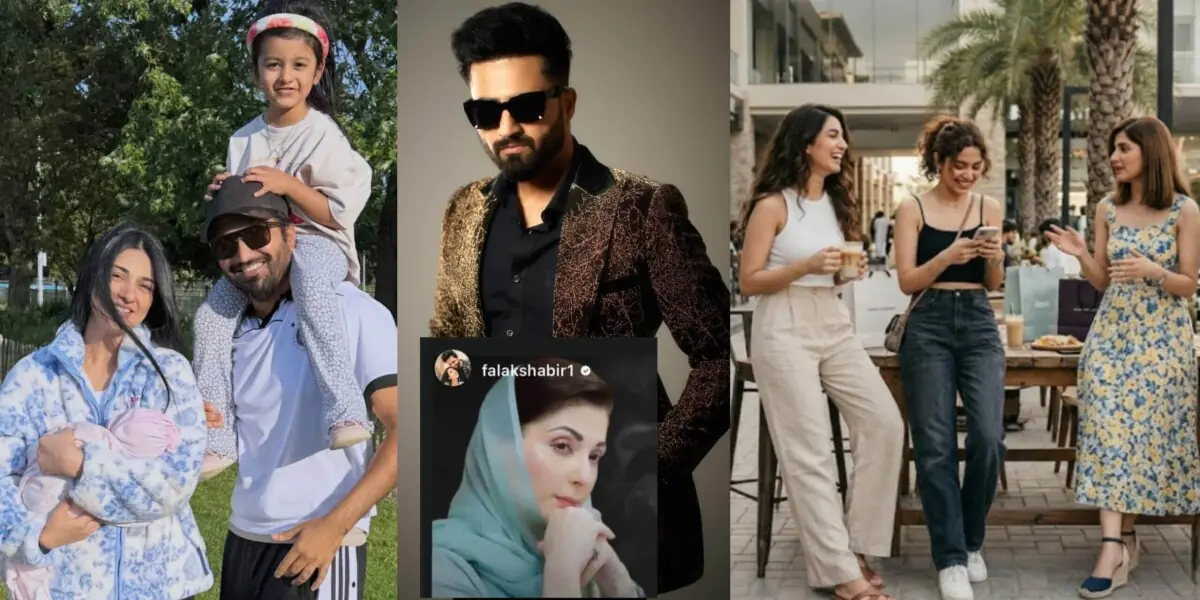
The entertainment world often finds itself at the intersection of celebrity opinion and public discourse, and singer Falak Shabir’s recent comments on women’s attire have once again ignited a fervent debate across social media and traditional platforms. His observations regarding women wearing ‘short dresses’ in public spaces, specifically mentioning Punjab’s bazaars and streets, have drawn a swift and varied spectrum of reactions, highlighting deep-seated societal tensions.
Shabir’s statement, which quickly went viral, posited a particular view on women’s clothing choices in public. While the exact context of his remarks was an attempt to express a personal observation, it inadvertently tapped into a highly sensitive nerve within the cultural fabric, particularly concerning women’s autonomy and public perception.
However, the immediate aftermath saw a significant wave of criticism, with many questioning the very premise of his statement. A prominent counter-narrative emerged, challenging the singer’s assertion by asking, quite pointedly, “Who exactly is wearing ‘short dresses’ in Punjab’s bazaars and streets?” This line of questioning underscored a perceived disconnect between Shabir’s observation and the lived reality for many, suggesting that his comments might be based on a misrepresentation or a projection rather than widespread fact.
Critics argued that such statements, particularly from public figures, contribute to an environment of moral policing and unwarranted scrutiny of women’s bodies and choices. The backlash wasn’t merely about disagreeing with an opinion; it delved into the broader implications of celebrities using their platforms to comment on women’s dress codes, often seen as an infringement on personal freedom and an endorsement of patriarchal norms.
The incident has reignited discussions about the role of public figures in shaping societal narratives, the constant gaze on women’s attire in conservative societies, and the ongoing struggle for women to define their own spaces and choices without judgment. While some might have found resonance with Shabir’s perspective, the overwhelming sentiment reflected a strong rejection of any discourse that dictates or questions women’s clothing in public.
Ultimately, Falak Shabir’s remarks have become more than just a celebrity’s opinion; they have served as a potent catalyst for a wider conversation about gender, public space, and the persistent challenges women face in navigating societal expectations. The mixed reactions underscore the complex and often contentious nature of these issues, leaving a lasting impression on the cultural dialogue.