
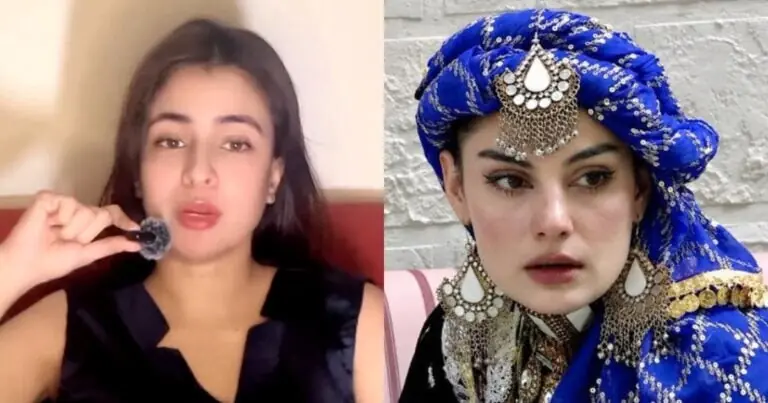
The glittering facade of reality television often conceals a complex web of narratives, some genuine, others meticulously crafted. In a recent development that has sent ripples through the entertainment industry, Zainab Raja has stepped forward with a series of startling allegations, claiming that fellow personality Esra Ayesha has been engaging in a pattern of deceit.
Raja’s accusations paint a picture of calculated fabrication, suggesting that Esra Ayesha has presented a false persona and narrative to the public. While the specifics of these alleged lies remain a subject of intense speculation, the core of Raja’s exposé points to a fundamental breach of trust and authenticity, challenging the very essence of what viewers perceive as ‘real’ on screen.
This isn’t the first time Esra Ayesha’s conduct has come under scrutiny. The controversy gains further traction when viewed in light of recent criticisms leveled by veteran actress Mishi Khan. Khan, known for her candid opinions, had previously voiced strong reservations about the behavior of both Esra and Babrik, who were participants in the popular reality show, ‘Tamasha’. Khan’s remarks highlighted concerns about their on-screen antics and perceived lack of genuineness, adding a significant layer to the current allegations.
The convergence of these separate criticisms from prominent figures like Zainab Raja and Mishi Khan suggests a broader pattern of questionable authenticity surrounding Esra Ayesha’s public image. In an industry where public perception is paramount, such revelations can have a devastating impact on a personality’s credibility and career trajectory.
As the drama unfolds, audiences are left to ponder the true nature of reality television and the lengths to which individuals might go to maintain a particular image. Zainab Raja’s bold move has not only ignited a fierce debate but also underscored the ever-present tension between entertainment and genuine personality in the world of celebrity.