
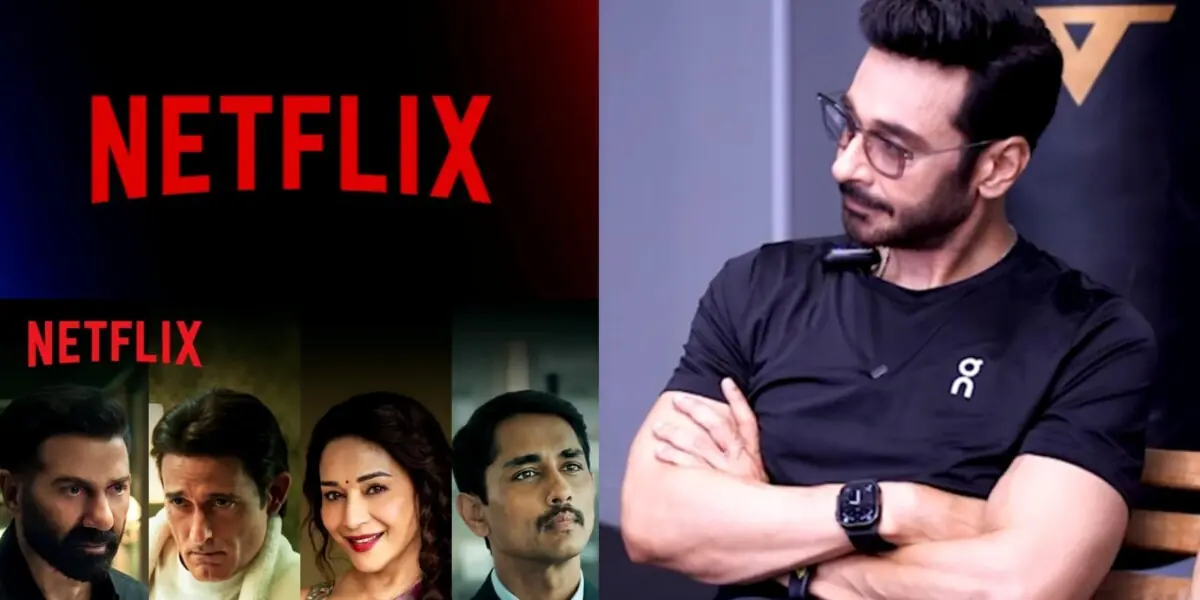
Pakistani actor Faysal Quraishi has ignited a fresh debate in the entertainment world with his recent assertion that Indian audiences show little to no interest in Pakistani content on global streaming giant Netflix. This statement comes amidst a complex backdrop of cultural exchange and political sensitivities that have long defined the relationship between the two nations.
Quraishi’s remarks highlight a perceived disparity in content consumption, suggesting a one-sided flow where Pakistani viewers are more receptive to Indian productions than the reverse. This perspective is particularly striking given Quraishi’s own vocal advocacy for the release of Indian films in Pakistan. He has been a consistent proponent for allowing Indian cinema into Pakistani theaters, arguing that shutting down these avenues ultimately harms the local industry’s revenue streams and limits audience choice.
His observations extend beyond just Netflix viewership. Quraishi has also critically pointed out a trend he perceives in Bollywood, where, according to him, a film’s commercial success often seems to correlate with its negative portrayal or ‘abuse’ of Pakistan. This sentiment underscores a deeper concern about the narrative biases that can emerge in cross-border cultural products. He further illustrated the sensitivity surrounding Indian cultural icons, noting that even a critique of a superstar like Shah Rukh Khan could provoke significant backlash, indicating a strong protective sentiment among Indian audiences.
This stance, however, doesn’t represent a monolithic view within the Pakistani entertainment fraternity. Other prominent figures, such as Fawad Khan, have expressed a more universalist perspective on art. Khan has articulated that stories penned by Indian authors possess a universal appeal, transcending national boundaries and belonging to a global audience rather than being confined to India alone. This suggests a desire for mutual appreciation and shared cultural narratives that can bridge divides.
The debate sparked by Quraishi’s comments brings to the forefront the intricate interplay of politics, national identity, and artistic expression in the subcontinent. While streaming platforms like Netflix theoretically offer a borderless canvas for content, the reality of audience reception and cultural preferences remains deeply rooted in historical contexts and contemporary geopolitical dynamics. The question remains: can art truly transcend these barriers, or will perceived nationalistic sentiments continue to dictate what audiences are willing to consume from across the border?