
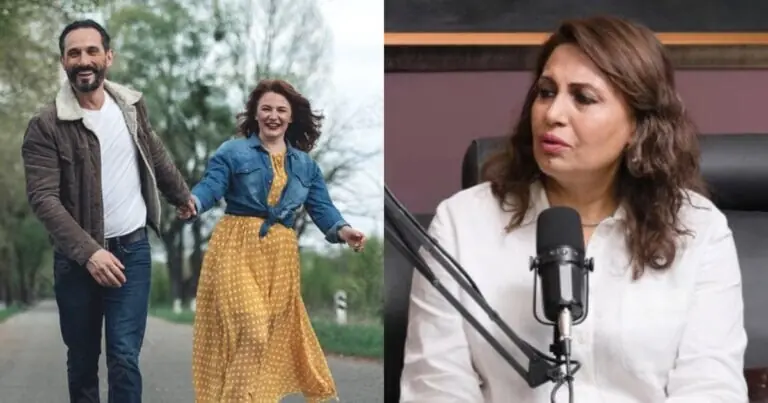
The discourse surrounding gender roles, societal expectations, and inherent human inclinations is as old as civilization itself, yet it continues to spark fervent debate. In a recent contribution to this enduring conversation, public figure Huma Tahir has put forth a provocative perspective, asserting that it is within women’s nature to desire a leader.
Tahir’s statement delves into a complex psychological and sociological territory, touching upon deeply ingrained perceptions of power dynamics and partnership. The idea that women inherently seek a guiding force or a figure of authority in their lives, whether in personal relationships or broader societal structures, challenges contemporary narratives of absolute equality and individual autonomy. It invites contemplation on whether such a ‘natural’ inclination is a product of evolutionary biology, cultural conditioning, or a nuanced interplay of both.
This assertion, coming from a prominent personality like Tahir, carries significant weight and is bound to resonate across various segments of society. As a figure often in the public eye, known for her contributions to the media landscape—including recent buzz around the ‘Parwarish Team’ bringing another significant drama to audiences—her views often become a focal point for broader discussions. Her statements, therefore, are not just personal opinions but often serve as catalysts for public introspection on prevailing norms and evolving gender dynamics.
Interpreting Tahir’s perspective requires careful consideration. Is it a reflection of traditional relationship structures where complementary roles are valued? Or does it speak to a deeper, perhaps subconscious, yearning for stability and direction? Critics might argue that such a generalization risks undermining female agency and perpetuating stereotypes that limit women’s roles to being followers rather than leaders themselves. Conversely, proponents might suggest it acknowledges a fundamental aspect of human connection, where individuals often thrive within structures that provide guidance and support.
Ultimately, Huma Tahir’s statement serves as a powerful prompt for dialogue. It compels us to examine our own beliefs about gender, leadership, and the intricate tapestry of human relationships. In an era striving for balance and understanding, such discussions, however challenging, are crucial for navigating the complexities of identity and partnership in the modern world.