In our last article we focused on how the Balti people living in the north of Pakistan had their roots and origins stemming from Tibet. This is not necessarily an uncommon occurrence. While many ethnic groups such as the Punjabi or Sindhi have their historicity based in the Indian sub-continent itself, this does not apply to everyone. Considering the interconnectedness of the human race through the long lasting process of globalisation, it is no surprise that today we can find many groups within countries that may find their origins from another locality. Another example of this in Pakistan would be the Sheedi people living between the Baloch and Sindh provinces.
The Sheedi people have a heritage which combines both the Habesha people in Ethiopia as well as the Bantu people from South Africa. These people are in fact, believed to have arrived to the shores of the Indian subcontinent as far back as 628 AD at the Bharuch port in the modern day Gujarat region of India. However, it was not until the Islamic conquest of the subcontinent area in the 12th century that this group grew much larger in size. Many of the current Sheedi peoples ancestors were assumed to have been part of Muhammad Bin Qasim’s Arab army. While settling into their new lives in India, many of the original Sheedi people escaped slavery by establishing communities in the wilderness. However, as the population of this Afroasiatic group continued to grow later on through propelled migration of South African Bantu people by Portuguese explorers, it is believed that most were part of the slave trade between European colonisers stationed at various ports of discovery. A large majority of Sheedi people would arrive already as part of the Islamic faith or would convert upon their integration into the society of the subcontinent. A very small minority within this group does practice Hinduism but given the political and ruling hierarchy of the time, it was not as common.

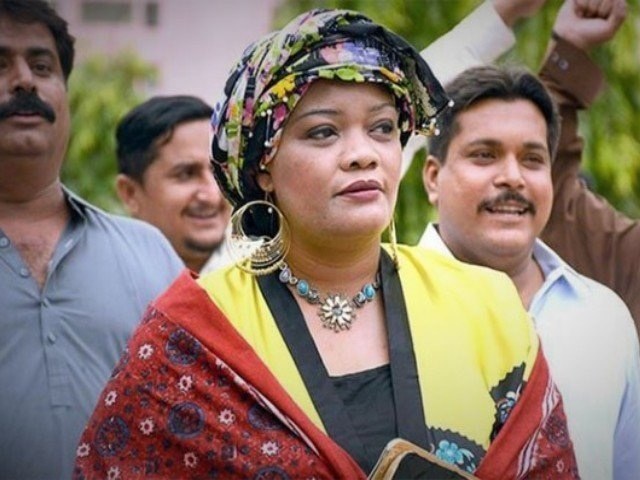
The Sheedi people are known to encounter economic and social marginalisation across both India and Pakistan today as well as a high degree of racist attitudes. Never mind, that it was once Sheedi people who ruled the Bengal area under the Habashi dynasty, keeping it well protected from the expanding Mughal power until the arrival of the British Empire. This ethnic group has existed in the region as far back as many of the other Indo-Aryan groups that are more well known and acknowledged. They have a unique culture that draws its inspiration from both Southern African and subcontinent practices and make the Sheedi’s a prime example in studying early African diaspora. Their stories are now coming to the forefront, as Tanzeela Qambrani became Pakistan’s first Sheedi law-maker.